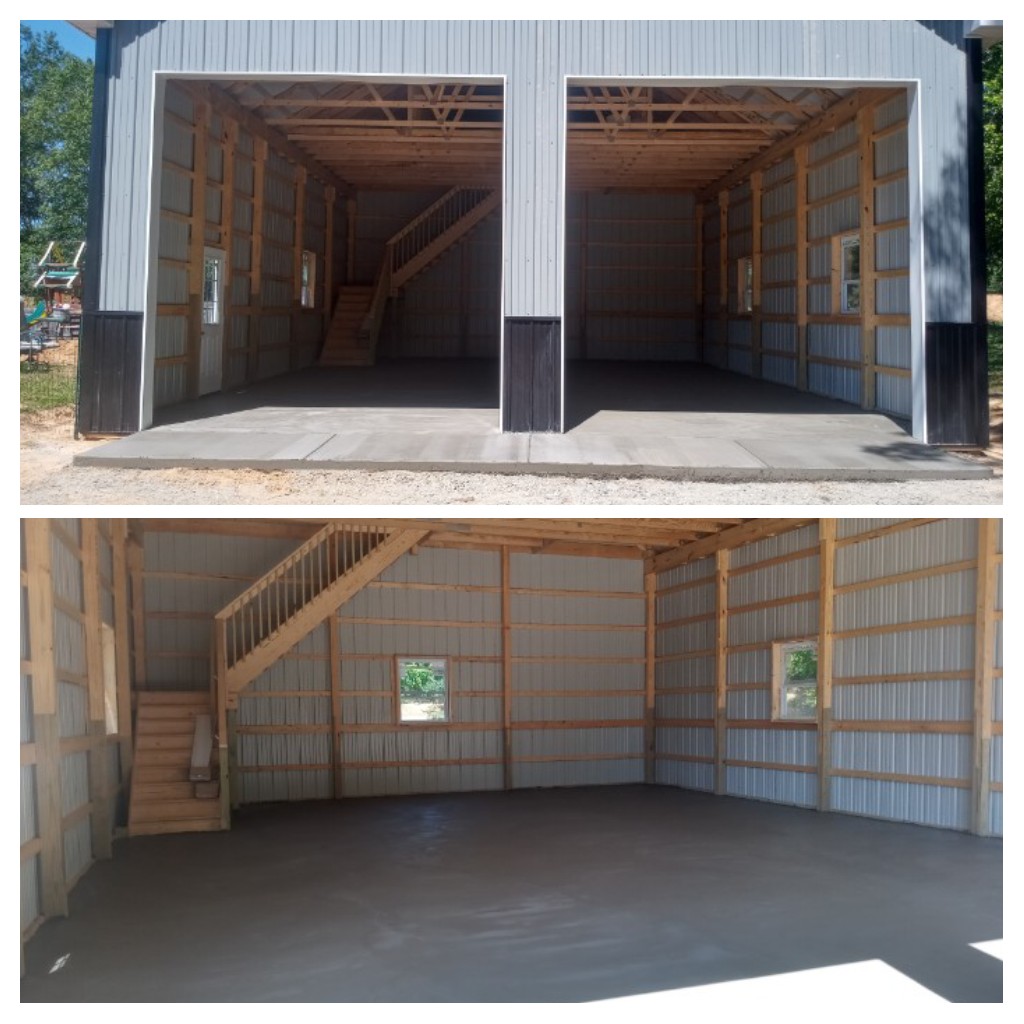
Safety First: Best Practices for Safe and Efficient Concrete Pouring Jan 28, 2026
First and foremost, preparation is key. Before any concrete is poured, it is essential to assess the site for potential hazards. Make sure the ground is stable and there are no underground utilities that could be affected. This initial assessment helps prevent unnecessary accidents or project delays. Once the site is secured, gather all necessary tools and safety equipment. This includes wearing appropriate personal protective equipment such as gloves, goggles, and boots to protect against the harsh chemical properties of concrete.
Once the site is prepared, it’s time to plan the pour. One of the most critical components of an efficient pour is the timing. Concrete sets relatively quickly, and delays can cause it to harden before placement, compromising the structure’s quality. Plan the work so that once the concrete truck arrives, construction crews are ready to pour immediately, with a clear strategy for leveling and smoothing. A well-coordinated team will not only minimize the risk of separation but also ensure a smooth surface finish.
Managing the environmental conditions during the pour is another aspect that cannot be overlooked. Weather conditions can significantly impact the curing process. Hot temperatures may cause the water in the concrete mix to evaporate too quickly, leading to cracks. Conversely, cold conditions can slow down the setting time, making it harder to work with. At OBH Concrete LLC, we recommend monitoring weather forecasts closely and having contingency plans, such as using curing compounds or blankets to regulate temperature.
Communication among crew members is vital during the pouring process. Clear communication prevents misunderstandings that can lead to accidents or subpar work. Establish hand signals or a radio system in environments where traditional communication might be challenging. Ensure all workers understand the plan and their specific roles before any concrete is poured.
Once poured, concrete must be properly cured to achieve its intended strength and durability. This involves maintaining an adequate moisture level for the concrete to harden correctly. While it may seem tempting to expedite the process, skipping this step can lead to surface cracks and a weakened structure. Depending on the weather, curing can take several days to weeks. During this time, it is crucial to protect the concrete from damage caused by foot or vehicle traffic.
In conclusion, the safe and efficient pouring of concrete is a multi-step process that demands thorough planning, careful execution, and meticulous curing. By following these best practices, you ensure not only the safety of your team but also the quality and longevity of the structure. OBH Concrete LLC is dedicated to providing top-notch service, and through diligent adherence to these guidelines, we help bring your projects to life efficiently and safely. Whether you are embarking on a large construction project or a smaller renovation, putting safety first will always yield the best results.
/filters:no_upscale()/filters:format(webp)/media/b94b830c-06a7-4c49-ad5d-55ee58f5f3f3.jpeg)
/filters:no_upscale()/filters:format(webp)/media/0be08662-a478-4619-b132-4decb1efc52a.jpeg)