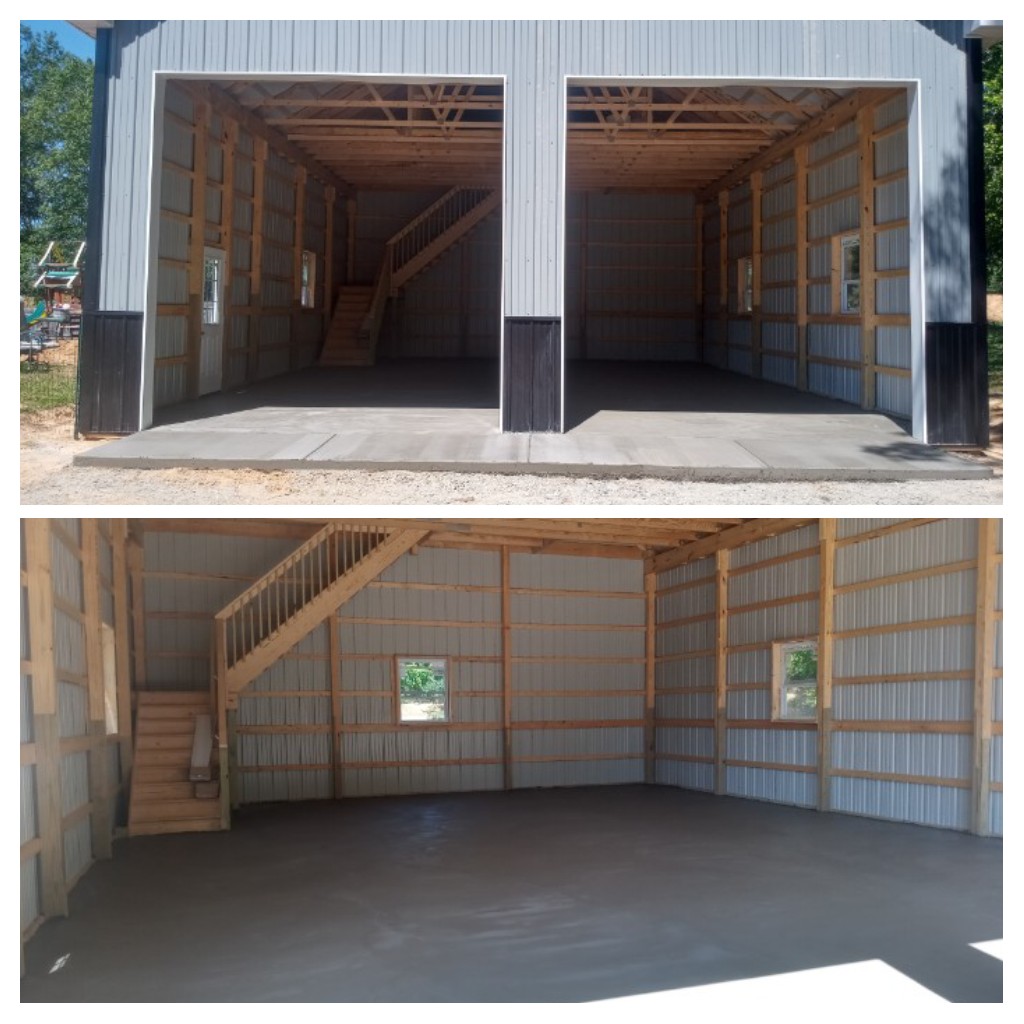
Preventing Concrete Cracks: Best Practices for a Flawless Finish Jan 29, 2026
To begin with, understanding the root causes of concrete cracks is fundamental. Some common reasons include rapid drying, improper curing, and thermal expansion. Each of these issues can lead to aesthetic and structural problems if not addressed. By taking precautionary measures during the planning and pouring stages, many of these problems can be avoided.
One of the most effective methods to prevent concrete cracks is to ensure proper preparation of the site. This involves assessing the soil on which the concrete will be laid. A stable, well-drained subgrade is crucial because it provides the necessary support for the concrete slab. Compacted soil helps in minimizing settlement, which can lead to cracking. Moreover, using a gravel base helps in promoting effective drainage and prevents moisture accumulation under the slab.
The next step involves choosing the right concrete mix. Different projects might demand varied concrete compositions. For instance, high-performance concrete mixes with low water-cement ratios can drastically reduce the probability of shrinkage and subsequent cracking. Consulting with an expert, like those at OBH Concrete LLC, can help in selecting a mixture that best suits your particular needs.
Another critical practice is controlling the curing process. Curing is when the concrete retains moisture to develop strength over time. Proper curing must begin immediately after the concrete is poured and should continue for several days. This can be achieved by covering the surface with wet burlap or plastic sheeting, maintaining moisture. Failure to properly cure the concrete can lead to premature drying, significantly increasing the crack potential.
Control joints also play an essential role in crack prevention. These are deliberate separations included in the design of the structure to allow for expansion and contraction as temperatures change. Installing control joints at appropriate intervals prevents random cracking by providing pre-determined points for the concrete to crack, thus maintaining a uniform appearance.
Environmental factors should never be overlooked. Pouring concrete in extreme heat or cold can contribute to cracks. If pouring in hot weather, it's crucial to ensure that the surface temperature remains manageable, perhaps by starting early in the morning or in the evening when temperatures are cooler. Conversely, during cold weather, it might be necessary to use heated enclosures or insulated blankets to keep the concrete from freezing.
In conclusion, while preventing every crack in concrete might not always be feasible, adhering to these best practices significantly minimizes the chances. At OBH Concrete LLC, we pride ourselves on delivering concrete solutions that stand the test of time. From preparing the site accurately to using the right mix and controlling the curing process, each step is integral to achieving a flawless concrete finish. This dedication to detail ensures that your projects remain both beautiful and durable for years to come. By adhering to these practices, you can maintain the structural integrity and aesthetic appeal that only expertly managed concrete projects can deliver.
/filters:no_upscale()/filters:format(webp)/media/b94b830c-06a7-4c49-ad5d-55ee58f5f3f3.jpeg)
/filters:no_upscale()/filters:format(webp)/media/0be08662-a478-4619-b132-4decb1efc52a.jpeg)