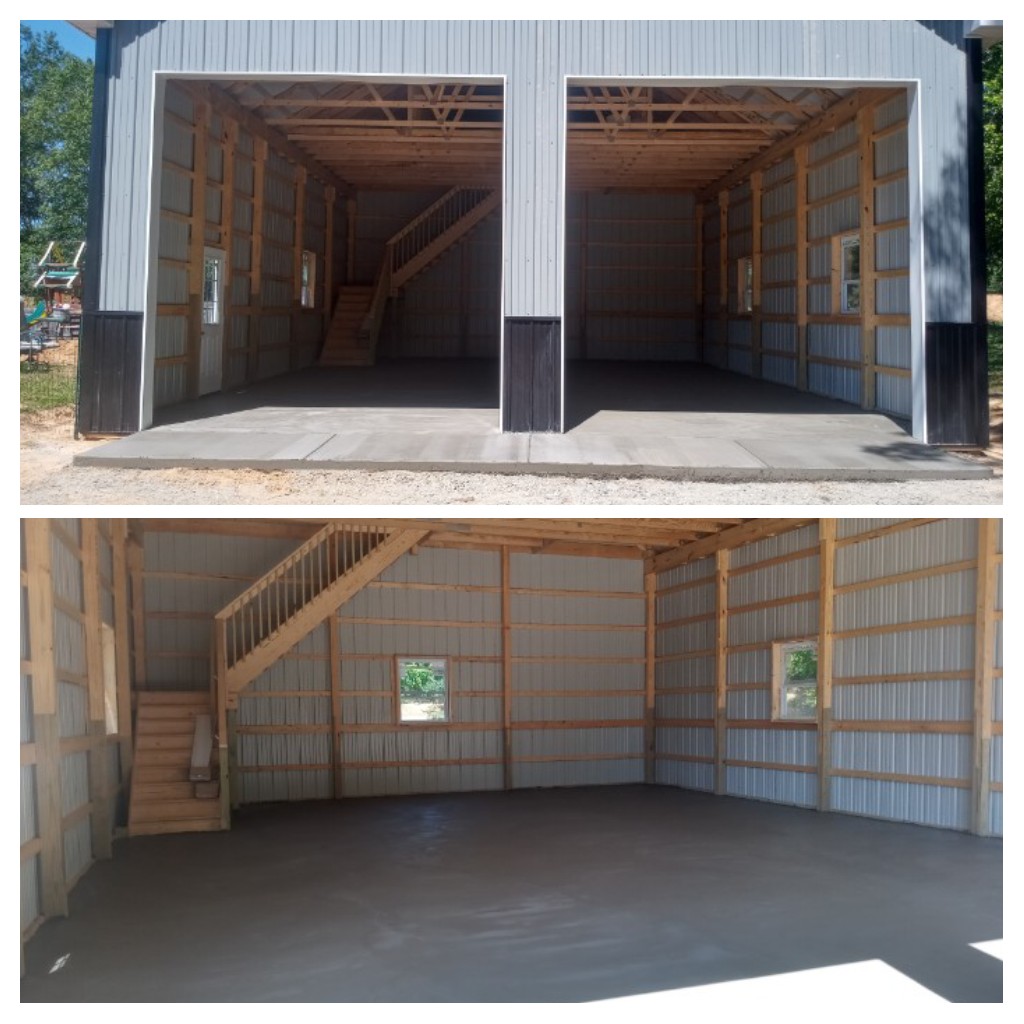
Exploring the Benefits of Fiber-Reinforced Concrete for Super Strength Dec 15, 2025
To begin with, the introduction of fibers into concrete significantly enhances its structural integrity. Unlike traditional concrete, which is prone to cracking under stress, fiber-reinforced concrete incorporates fibers such as steel, glass, or synthetic materials. These fibers distribute load stresses evenly throughout the concrete, effectively improving its tensile strength. As a result, structures made from fiber-reinforced concrete are less susceptible to cracking and damage, even under extreme conditions, offering longevity and reliability.
Another noteworthy advantage of fiber-reinforced concrete is its impressive durability. In environments with regular exposure to weather fluctuations, chemicals, and mechanical stress, durability becomes a critical factor. Fiber-reinforced concrete naturally resists these external pressures better than traditional mixes. The fibers help to prevent the spread of micro-cracks, which are common in traditional concrete. Consequently, this material significantly extends the life span of concrete surfaces, reducing the need for frequent repairs and maintenance. For homeowners and businesses alike, this translates to substantial cost savings over time.
Additionally, the use of fiber-reinforced concrete offers increased flexibility in design. Unlike standard concrete, which may limit architectural creativity due to its weight and susceptibility to crack under stress, fiber-reinforced versions can be used in more complex shapes and thinner sections without compromising strength. This flexibility is ideal for modern architectural designs that emphasize aesthetics and functionality. From elegant facades to intricate pavements, this material allows for more innovative and creative construction possibilities.
The process of using fiber-reinforced concrete also contributes to faster project completion times. The fibers allow for more efficient processing and reduced curing periods, which can shorten construction schedules significantly. For projects with tight deadlines or in fast-paced environments, this is a critical benefit, ensuring that projects can be completed both quickly and efficiently.
Moreover, considering sustainability, fiber-reinforced concrete offers an eco-friendlier option in construction. By reducing the need for maintenance and repairs, it minimizes resource consumption over its lifecycle. Its durability lessens the environmental impact associated with the frequent production, transport, and disposal of concrete materials, aligning with sustainable building practices.
Fiber-reinforced concrete, with its host of advantages, is transforming the construction industry. By offering enhanced strength, durability, and versatility, it meets the evolving demands of modern infrastructure, without sacrificing aesthetics or sustainability. For those planning to embark on new building projects, engaging a reputable concrete service provider like OBH Concrete LLC, specializing in this innovative technology, can ensure professional implementation and optimal results. Choosing fiber-reinforced concrete can ultimately lead to stronger, more durable, and sustainable structures that stand the test of time.
In conclusion, the integration of fiber-reinforced concrete provides newfound potential in construction design and execution. The continued development in this area points to a future where stronger, longer-lasting, and more resilient structures become the norm, paving the way for progress in building technology. Whether for residential, commercial, or industrial applications, its benefits are clear, offering a sound investment in the future of your construction projects.
/filters:no_upscale()/filters:format(webp)/media/b94b830c-06a7-4c49-ad5d-55ee58f5f3f3.jpeg)
/filters:no_upscale()/filters:format(webp)/media/0be08662-a478-4619-b132-4decb1efc52a.jpeg)